Three Gifts and One Vision: My Journey with Wafeeq
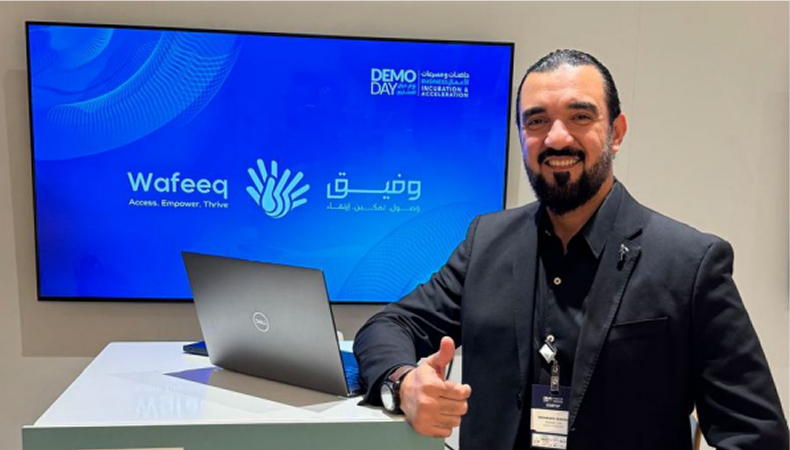
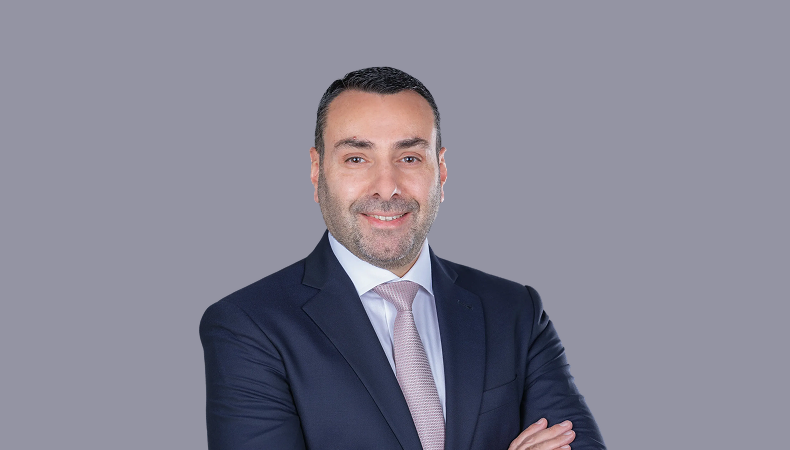
Mohamed Wafeeq – Founder & CEO Wafeeq Technology W.L.L
My story with Wafeeq began long before I became an entrepreneur, before there was a platform, a team, or even a name. It began at home, in a family where sign language was part of everyday life. My father was deaf, as were four of my aunts, and my mother was highly proficient in sign language. Growing up, I learned early that silence does not mean the absence of communication. Our home was full of expression, humour, debate, and emotion, carried on hands and faces as much as on voices.
At the same time, I fell in love with technology. I chose to specialise in computer science and spent years immersed in the language of code and systems. It was only later that I realised how unusual my combination of skills was. I had the privilege of three gifts: speech, hearing, and sign language. My father would often remind me of this. He would say, ” You have these three gifts for a reason, use them to help the deaf. His words stayed with me and slowly became the compass that guided my choices.
After graduating, I delivered my first training course in the International Computer Driving License for deaf learners. It was a turning point in my life. For the first time, I was teaching people in a space where I could use both my technical knowledge and my fluency in sign language without relying on an interpreter. The feedback from participants was powerful. They told me how different it felt to learn from someone who understood their language, culture, and daily challenges. I began to see that this was not just about teaching computer skills. It was about dignity, comfort, and a sense of belonging in the learning process.
That experience pushed me to ask a simple but important question. I started talking to deaf individuals across the Arab world, more than fifty of them, and I asked: Where do you learn? Where do you go when you want to gain new skills? Who is providing you with training that truly meets your needs? The answers were painful to hear. Many said there were no specialised educational platforms for them, no structured opportunities designed for deaf learners. They often depended on scattered efforts, unstructured content, or environments where communication barriers made learning frustrating and incomplete.
Out of those conversations, the idea of Wafeeq was born. Choosing the name did not take me long. I named the platform after my father, to honour his influence on my life and to keep his legacy at the heart of what I do. For me, Wafeeq is not just a brand; it is a promise. It stands for the values he taught me: responsibility, respect, and a deep belief in the potential of every person, regardless of their hearing status. After he passed away, I felt an even stronger obligation to turn his words into action and to build something that would continue to serve the community he belonged to.
From the beginning, I knew that I did not want Wafeeq to be just another online course library. I wanted it to be a platform where deaf people are not only learners but also leaders. Today, Wafeeq offers specialised training in design, digital skills, and soft skills, delivered by deaf trainers. When a deaf learner logs in, they are not simply consuming content designed for someone else. They see role models who share their lived experience, communicating directly in sign language, and showing that expertise and leadership belong to them as well. This is one of the most important aspects of Wafeeq for me, because it challenges old assumptions about who teaches and who learns.
My journey has not been limited to building the platform. I have also worked on the development of sign language itself, contributing to both the Egyptian and Qatari sign language dictionaries. For me, language is a crucial part of empowerment. By helping to standardise and enrich sign language resources, I hope to make it easier for deaf communities to access education, information, and public services. I have also been involved in translating more than 5,000 awareness materials into sign language, garnering millions of views online. Every video is a reminder that visibility matters and that deaf people deserve equal access to knowledge.
Of course, there have been many challenges along the way. I have met countless deaf professionals who struggle to find meaningful employment, not because they lack talent, but because workplaces are not prepared to communicate with them or to recognise their capabilities. This is one of the problems Wafeeq tries to address. By providing a space where deaf trainers can teach, earn income, and build their reputation, the platform becomes more than an educational tool. It becomes a bridge to economic opportunity and social recognition. Watching deaf trainers step into their roles with confidence is one of the most rewarding parts of my work.
Qatar has played a vital role in making this vision possible. When I brought Wafeeq into the entrepreneurship ecosystem here, I found strong support through institutions such as the Digital Incubation Centre and Qatar Development Bank. Through their mentorship, training, and networks, I was able to refine the idea, test it, and grow it. Over time, Wafeeq has received several honours, including awards for Best Digital Experience, first place among small and medium enterprises, and official recognition from the Ministry of Communications. Each milestone has helped us expand our reach, but, more importantly, it has reminded me that inclusive innovation is valued and needed.
For me, innovation in health and education is not about gadgets or trends. It is about removing barriers that prevent people from living full, dignified lives. Deaf people often face exclusion not just from classrooms, but from health information, public campaigns, and essential services. By creating accessible learning spaces and strengthening sign language resources, we are indirectly supporting better health outcomes, better employment prospects, and stronger participation in society. This is how I see Wafeeq’s contribution to a more inclusive future.
Looking ahead, my vision is for Wafeeq to become a leading Arab reference for deaf education, closely aligned with Qatar National Vision 2030, which affirms education as a right for all. I want every deaf child and adult in our region to know that there is a place where their communication style is not an obstacle but an asset. I want them to see trainers who look like them, sign like them, and prove that leadership comes in many forms.
My journey with Wafeeq is still in its early stages. I continue to learn every day from the people we serve and from the partners who support us. One belief has guided me from my father’s words to this moment: true impact is not measured by what I achieve for myself, but by what I make possible for others. When I see a deaf learner gaining confidence, a deaf trainer leading a class, or a new piece of content reaching thousands of viewers in sign language, I feel that we are moving in the right direction. For me, that is the real meaning of innovation, and it is the path I am committed to following.
In November 2025, Wafeeq Technology and the World Innovation Summit for Health (WISH) participated in the Qatar–Africa Business Forum organized by Qatar Museums, an event aimed at strengthening cross‑regional collaboration in education, health, and technology.
Since its inception in 2012, WISH has championed advancing health innovation in Qatar and beyond. Driven by the belief that innovation must extend beyond invention, WISH emphasizes embedding new solutions into systems, policies, and partnerships to create sustainable, global impact; principles that equally shape the mission of Wafeeq. These efforts reflect a shared commitment to leveraging innovation to expand opportunities for underserved communities across regions, enhance healthcare accessibility, and ensure that people centered, impactful solutions.