When Health Feels Human: A Journey Through Doha Health Week
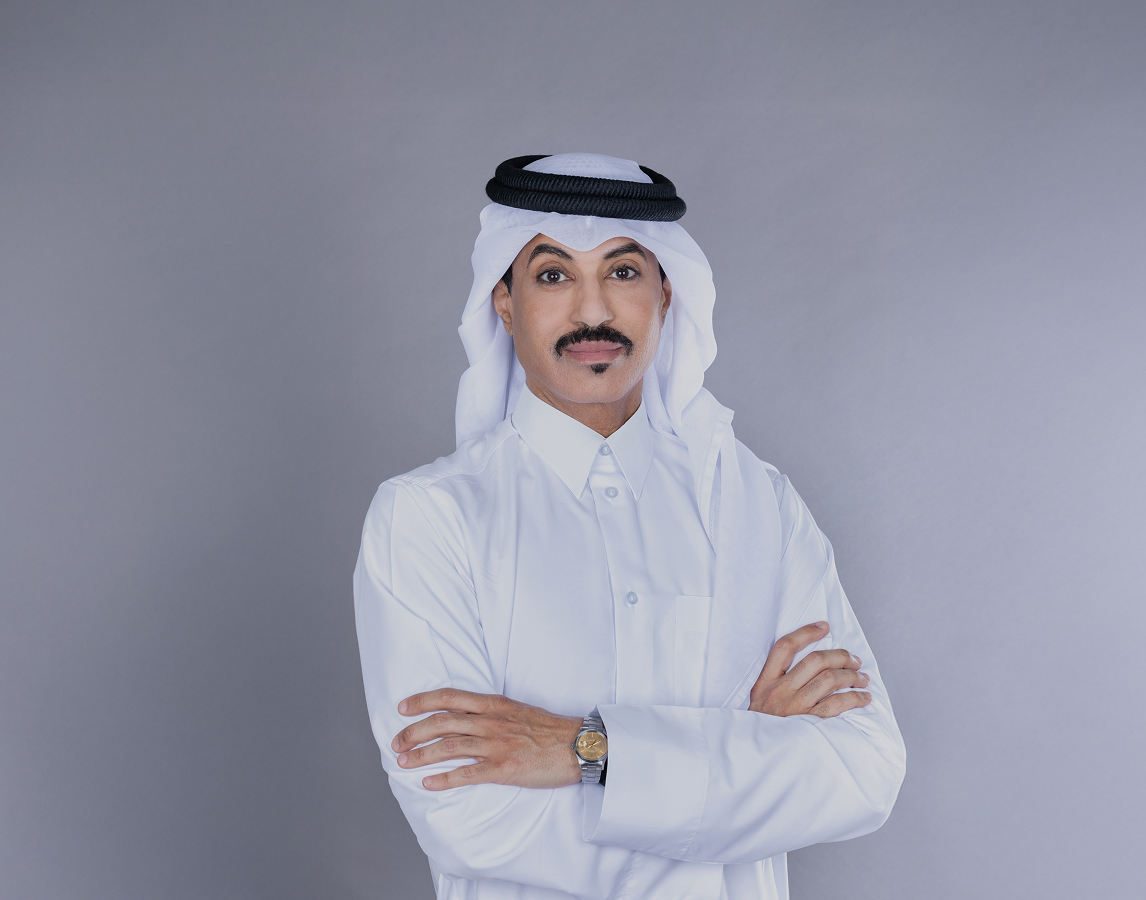
Faisal Al Hitmi, Community Manager, WISH
“Your well-being builds the nation; your spirit gives it life.” Inspired by the spirit of the 1980s “Salamtek” health awareness song.
Each time I walk through Education City with my camera in hand, I’m reminded that listening isn’t always done with words. Through my lens, I’ve witnessed how Doha Health Week (formerly Doha Healthcare Week) has transformed-no longer just a calendar of activities, but a living platform where communities speak, act, and experience health together. What began as a week of awareness has grown into a collective voice, a shared rhythm between policy and people.
When I first joined WISH and was assigned to lead the inaugural Doha Health Week in 2018, I quickly realized that health engagement could be joyful. We set up simple screenings in malls like Doha Festival City- blood pressure checks, BMI stations, and nutrition advice and I watched families, students, and community members from different nationalities and professions gather around with curiosity. People were smiling while checking their BMI, asking questions about nutrition, and realizing that staying healthy didn’t have to mean walking into a clinic. It could happen in open spaces, surrounded by laughter and the smell of coffee instead of antiseptic. That moment taught me that connection makes health possible.
In 2020, as the pandemic reshaped our world, Doha Health Week became fully virtual. What could have been silence turned into connection and creativity. We hosted online cooking classes and family exercise sessions. I joined both. I remember cooking along with my children, following the chef’s instructions live, and laughing when our dishes didn’t quite look like his. In those moments of isolation, we found community. Through webcams and shared laughter, we realized that health was not only about immunity-it was about unity.
By 2022, Qatar was alive with the energy of the FIFA World Cup, and that spirit extended into Doha Health Week. We celebrated cancer survivors who called themselves warriors, not patients. Their strength redefined resilience. I remember speaking to one woman who smiled and said, “Please don’t call me a survivor- call me a fighter.” That mindset changed me. Around the same time, the blood donation drive at Education City- attended by H.E. Sheikha Hind bint Hamad Al‑Thani, Vice Chairperson and former CEO of Qatar Foundation-symbolized national unity. Watching QF’s blue‑collar workers queue proudly to donate blood, I felt that same spirit that carried Qatar through the World Cup: one heartbeat, one purpose.
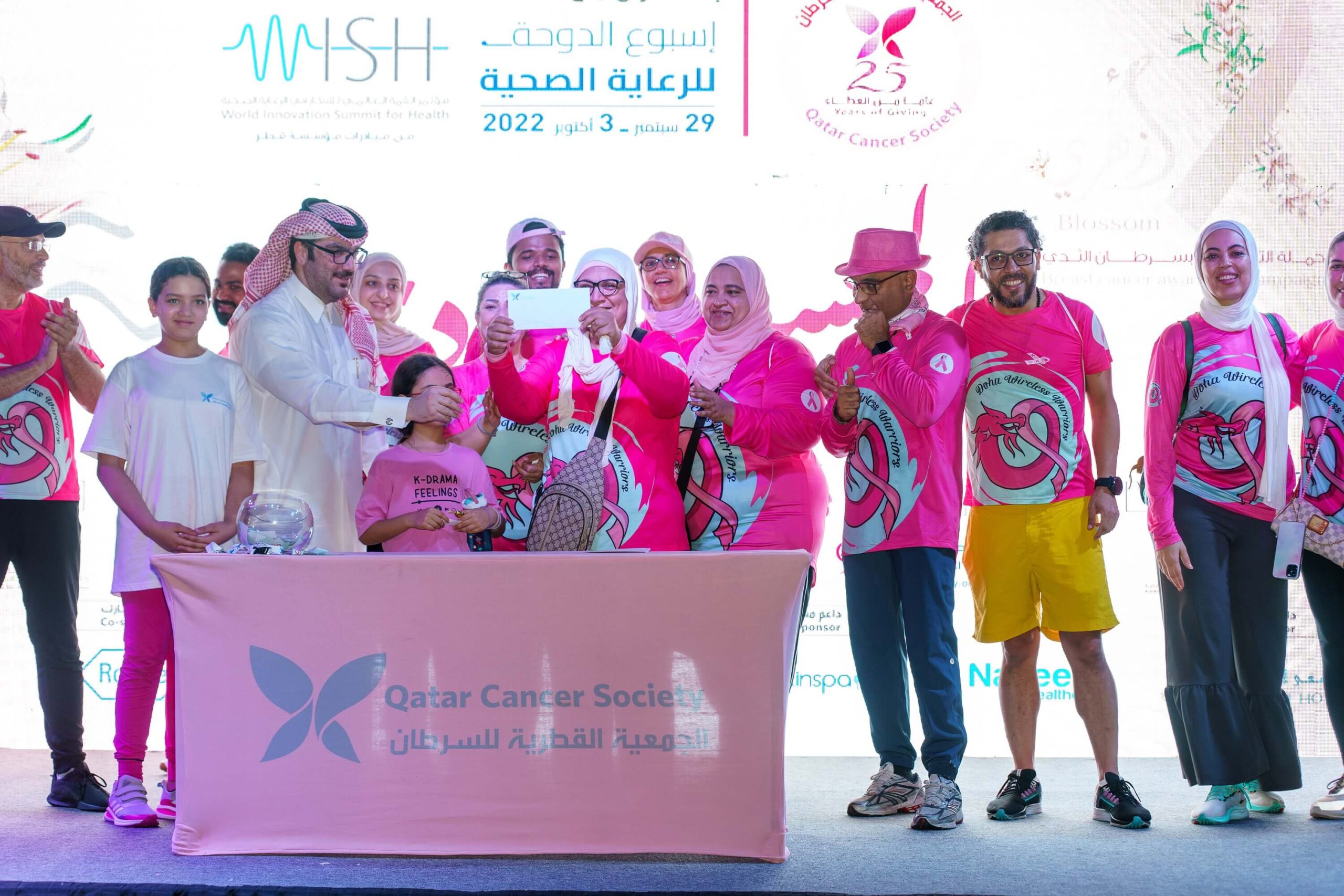
Moments of solidarity: celebrating warriors.
During the 2024 edition of Doha Health Week, I joined the Mindful Art Creation session led by VCUarts Qatar. At first, I was hesitant—I’ve never called myself an artist. But as colors mixed across the canvas, conversation began to flow. Teachers and professionals spoke about the quiet exhaustion that can build up in daily life. The simple act of painting became a shared language for emotion. In that session, I learned that creativity isn’t just expression—it’s a form of listening. When people create, they reveal what policies often overlook.
Later, the screening of the animated short film Saleem offered another kind of insight. After the movie, a student stood up and said, “I feel for Saleem—I’m strong like him.” It was spontaneous and honest. In that sentence lived the emotional truth of bullying and courage. That child’s voice, unfiltered and real, reminded me that true understanding comes from the people we aim to serve—not from data alone.
When I think about where my passion for community health began, I return to a memory from my childhood—a television program called “Salamtek” (“Your Health”). Before watching our favorite cartoons, we had to watch it. Its joyful song said: “Your health, your well‑being, we wish you safety and happiness. You are the person who builds the nation.” Those words became part of who I am. Today, when I walk through the booths of Doha Health Week and hear people asking questions about diet, stress, and family wellness, I realize that I am still echoing that same message: “Salamtek”. Your health is your strength—and the foundation of our nation’s progress.
At Multaqa (Students’ Centre, Education City) during the Wellness Days, I saw this idea in motion. Teachers approached health professionals with questions they might never ask in a formal clinic—about burnout, privacy, and emotional fatigue. These moments of trust revealed what policies must respond to. The partnership between WISH, the Occupational Health Department at Qatar Foundation, the Ministry of Public Health, PHCC, HMC, and academic partners such as Qatar University, UDST, and HBKU showed how collaboration can turn individual concerns into institutional priorities. Listening began to shape design.
Later that week, during the Fun Day for Children of Gaza Refugees, joy became another form of data. With partners from the Global South Arts and Health Week, the air filled with drums, laughter, and color. Children played chess with PUE teachers, tried archery with the Qatar Olympic Committee, and smiled freely. One girl shared that playing helped her forget her worries and made her mind feel lighter. I realized that healing doesn’t always need a prescription, sometimes it just needs rhythm.
Across these years, a pattern has become clear: the more we listen, the more effective our work becomes. The insights gathered from every conversation, every activity, and every shared smile continue to shape how we envision future community health and mobilization initiatives. Through Doha Health Week, we are not just creating awareness; we are collecting lived experiences that guide how WISH fulfills its mission of turning convening into influence.
These community voices- teachers seeking wellness, children finding courage, and families embracing prevention, are shaping future health frameworks in Qatar. They align with the pillars of the National Health Strategy of Qatar: health literacy, prevention, empowerment, and integrated well‑being. Policy, I’ve learned, doesn’t begin in meeting rooms; it begins in moments- at an art table, beside a screening booth, or in the laughter of children playing.
As the drums quieted and the sun set over Multaqa, I took one last photo. Faces glowed with warmth, relief, and connection. That image captured what Doha Health Week truly represents: a space where health is human, where people feel seen and heard. If we can listen closely enough, these experiences become blueprints for better systems. Health policy that doesn’t listen soon loses the nation’s heartbeat. But when we listen, we discover that healing is already happening- in laughter, in learning, in community.
Doha Health Week has taught me that every smile, every question, and every shared story has the power to influence change. It has also taught me that health is a common aspiration that knows no barriers.