Qatar’s Healthy Cities Journey
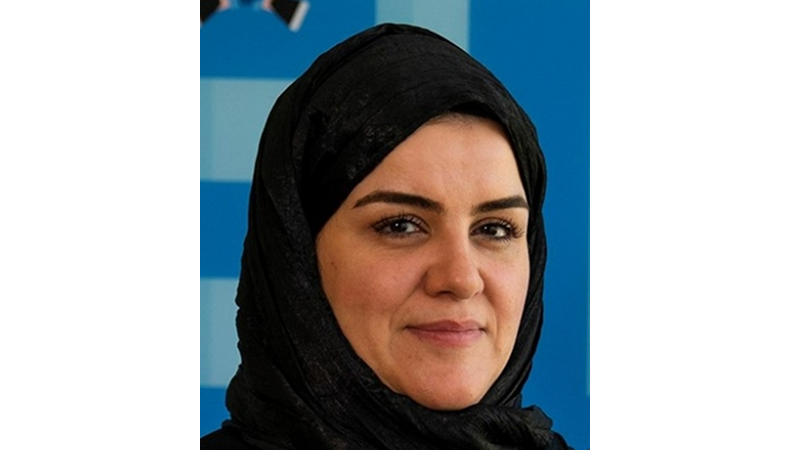
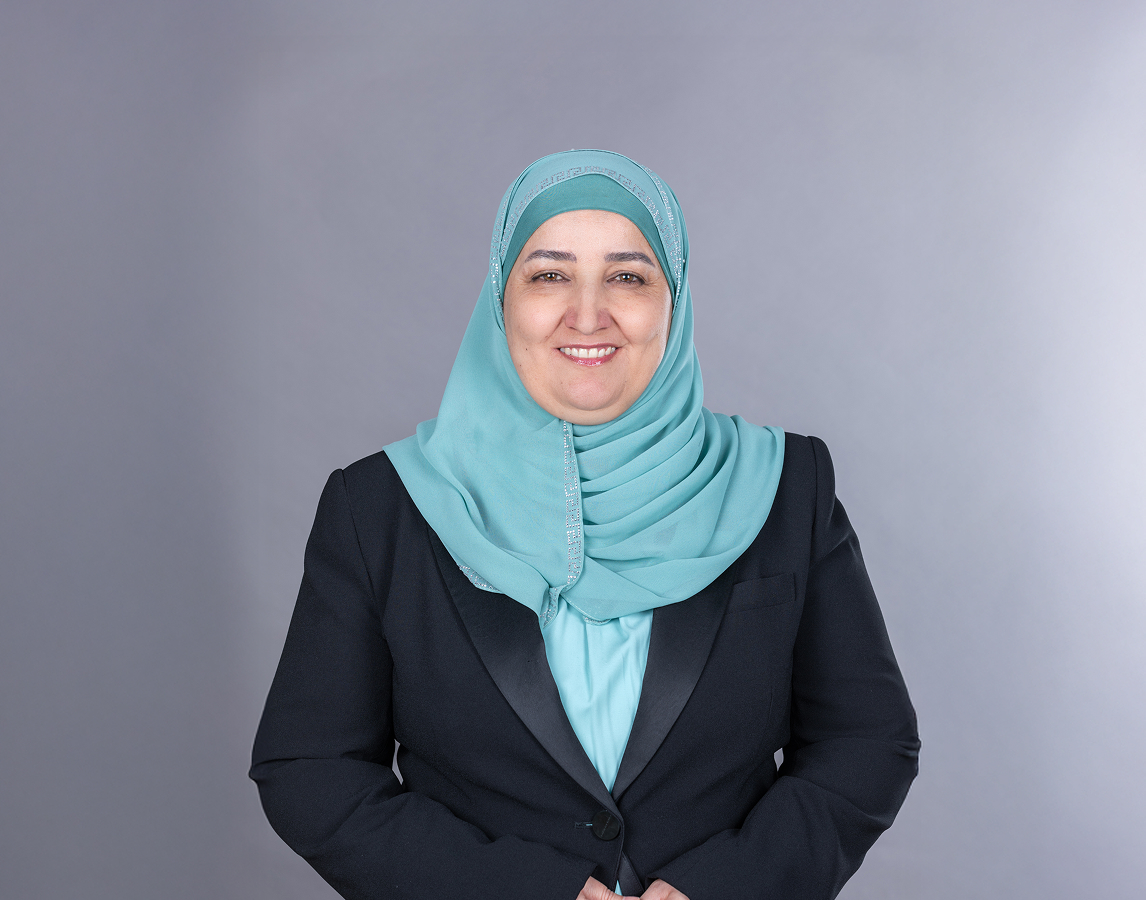
Dr. Sadriya Al Kohji, Chair of the National Healthy Cities Network of Qatar.
Healthy Cities is more than a programme. It is a way of thinking about health not as something that begins in hospitals, but as something that is shaped every day by the environments in which people live, learn, work, and grow. On GCC Healthy Cities Day, we celebrate this vision across our region and reflect on how cities can become powerful platforms for health, well-being, equity, and resilience.
For Qatar, the Healthy Cities journey has been a story of steady evolution. Over the past decade, it has moved from a pioneering concept to a nationally embedded approach that brings together municipalities, government entities, academic institutions, and communities around a shared purpose: creating healthier living environments for all. Today, as we go through the re-awarding phase, we are not simply renewing a status; we are reaffirming a long-term commitment to population health, prevention, and sustainable development.
In the GCC context, this matters deeply. Our countries are undergoing rapid urban development, demographic change, and lifestyle transitions. Healthy Cities offers a framework that helps ensure progress is not measured only by infrastructure and economic growth, but by how well our environments support physical activity, mental well-being, social cohesion, environmental sustainability, and inclusive services.
Leadership and governance: the foundation of progress
As Chair of the Healthy Cities Network of Qatar, one of the most striking lessons has been the importance of leadership and governance. Healthy Cities succeeds when it is not seen as a “health project,” but as a shared responsibility across sectors. Municipal leaders, planners, educators, environmental specialists, and social service providers all play essential roles.
The strongest enabler of progress has been cross-sector partnership. When health works hand in hand with urban planning, education, transportation, and social development, we move from isolated interventions to systems change. For example, designing walkable neighborhoods, safe public spaces, accessible schools, and inclusive community facilities contributes as much to health as clinical services do.
Equally important is institutional ownership. Municipalities that embed Healthy Cities principles into their planning processes, governance structures, and performance indicators are the ones that achieve sustainable impact. Healthy Cities is not an additional layer of work; it is a way of strengthening how cities already function.
A child and adolescent health lens: shaping healthier futures
My professional background in community medicine and child and adolescent health has deeply shaped my approach to Healthy Cities. Children and young people remind us that health is built early, long before chronic diseases appear. Healthy habits are learned from an early age when they are reinforced not only by supportive physical environments, but through a concerted and consistent effort between schools, families, and the wider community. It is shaped by safe spaces to play, supportive schools, inclusive environments for children with disabilities, and communities that nurture mental and emotional wellbeing.
Traditional health services, no matter how strong, cannot address these determinants alone. Healthy Cities fills this gap by focusing on the environments that influence development and by strengthening the connections between home, school, and community. It creates conditions where children can thrive physically, socially, and emotionally. It promotes inclusive design, accessible services, and community-based approaches that ensure no child is left behind.
When cities are designed with children in mind, they become healthier for everyone. Safe streets, clean air, green spaces, and strong community networks benefit older adults, families, and people living with chronic conditions just as much as they benefit children.
Education City: a model of a Healthy Education City
Education City stands as a powerful example of how Healthy Cities principles can be applied within a comprehensive educational and community ecosystem. It is not a single campus, but a living, integrated urban space that brings together universities, schools, research institutes, healthcare facilities, student and community facilities, parks, and shared spaces for sports, culture, and social interaction. What makes it a true “Healthy Education City” is its holistic approach to well-being across all these interconnected environments. Health promotion is embedded into urban design, educational settings, healthcare services, research agendas, community engagement, and sustainability initiatives.
It demonstrates how education, health, and community life can reinforce one another. Children, students, families, and professionals move through spaces that promote physical activity, mental well-being, and social connection. Healthcare and research institutions generate evidence that informs policy and practice, while schools and universities help shape lifelong healthy behaviours. Community programmes, green spaces, and recreational areas extend health benefits well beyond formal learning settings and ensure that well-being is integrated into everyday life.
Many elements of this model can be scaled across Qatar and the wider region:
- Integrating health into educational and urban policies and infrastructure
- Promoting active learning environments, walkable spaces, and healthy food settings
- Strengthening mental health and well-being support across educational and community institutions
- Using educational and research institutions as anchors for community health innovation
Education City shows that Healthy Cities is not limited to municipalities or traditional urban governance structures. It is a flexible and scalable model that can be applied to diverse, mixed-use environments where education, healthcare, research, and community life come together to shape healthier societies.
Re-award: challenges and lessons
The re-awarding process is both a moment of reflection and an opportunity for growth. It pushes cities to assess their progress honestly and to identify areas for improvement. Across Qatar, the main learnings tend to fall into four areas: data, governance, community engagement, and sustainability.
Data remains one of the most complex challenges. Measuring well-being, social cohesion, and environmental quality requires strong information systems and inter-sectoral data sharing. However, this challenge is also an opportunity to build smarter, more integrated urban health monitoring systems.
Governance is another key area. Healthy Cities needs clear coordination mechanisms, defined roles, and strong leadership at municipal level. Without this, even well-designed initiatives can lose momentum.
Community engagement is essential but demanding. It requires trust, continuity, and culturally sensitive approaches. Cities must move beyond consultation to true co-creation with residents.
Finally, sustainability means ensuring that Healthy Cities does not depend on individuals or short-term funding, but becomes embedded in policies, budgets, and institutional culture.
Community engagement in Qatar’s cultural context
In Qatar, community engagement works best when it builds on strong family structures, social solidarity, and local identity. Approaches that involve schools, community groups, youth initiatives, and volunteer networks have proven especially effective.
People are more likely to engage when they see themselves as partners rather than beneficiaries. Community ownership transforms Healthy Cities from a government initiative into a collective movement. It ensures continuity and relevance, even as cities grow and change.
Looking ahead: the future of Healthy Cities in Qatar and the GCC
Over the next five to ten years, I see Healthy Cities becoming an even more strategic pillar of urban development in Qatar and across the GCC. Our region faces emerging challenges that make this approach more necessary than ever: climate stress, rising mental health needs, digital transformation, and demographic shifts.
Healthy Cities can respond by:
- Integrating climate resilience into urban design
- Promoting mental health through supportive environments
- Using digital tools to strengthen community participation
- Ensuring inclusive planning for ageing populations and youth
Healthy Cities will increasingly be about resilience, adaptability, and innovation.
A personal reflection
What motivates me most is seeing how small changes in environments can create lasting impact on people’s lives. Whether it is a safer playground, a more inclusive school, or a community programme that brings families together, these moments remind me why this work matters.
Among my most meaningful achievements has been contributing to a shift in how health is understood: from something that happens in healthcare facilities to something that is shaped every day in our cities and communities.
A message for GCC Healthy Cities Day
On this GCC Healthy Cities Day, my message is simple: Healthy Cities is not an aspiration; it is a necessity. It is the foundation of healthier, more resilient, and more equitable societies.
When we invest in healthy environments, we invest in future generations. We create cities that do not only support life, but help it flourish.
Dr. Sadriya Al Kohji is a distinguished Senior Consultant in Community Medicine with a specialization in child and adolescent health. Dr. Al Kohji’s career includes numerous milestones. Her roles within Qatar’s healthcare landscape include leading national initiatives for child and adolescent health, served as the National Lead for Healthy Children and Adolescents National Health Strategy 2, and assuming the role of Assistant Director of Medicine for Child and Adolescent Health in the Primary Health Care Corporation. She is also the Chair of the National Healthy Cities Network of Qatar.