International Nurses Day: Why nursing must be understood differently
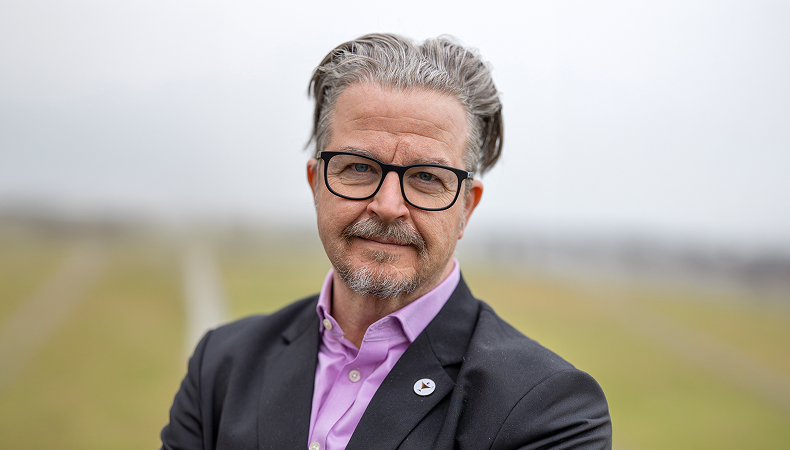
Howard Catton, CEO, International Council of Nurses
International Nurses Day should be more than a moment to thank nurses. It should also make us ask a bigger question: does the world really understand what nursing is, and what nursing makes possible?
At a time when health systems are under huge pressure from workforce shortages, ageing populations, conflict, rising costs and growing inequality, nursing is too important to be misunderstood or undervalued.
Nursing is often called the backbone of healthcare. That is meant as praise, but it still does not fully capture the reality of modern nursing. Nurses are not simply supporting health systems from behind the scenes. Nursing is one of the most trusted and influential professions in the world, and nurses are central to whether health systems succeed or fail.
Every day, nurses improve access to care, strengthen primary healthcare, prevent illness, respond to emergencies, support communities and protect patient safety. In many countries and crisis settings, nurses are the health system people rely on most. Sometimes they are the only health professionals consistently available.
The evidence is clear: when countries invest in nursing, patients do better, health systems are stronger and societies are healthier. Yet too often nursing is still seen mainly as a cost to control rather than a strategic investment.
That is why the new International Council of Nurses (ICN) Definition of Nursing and Definition of a Nurse matter.
These are the first major updates in decades, developed at a time when healthcare is changing rapidly. Health systems today face challenges that previous generations could barely imagine: chronic disease, climate-related disasters, technological change, mass displacement, workforce migration and growing global instability.
Definitions matter because they shape how professions are understood, valued and supported. They influence education, regulation, workforce planning and policy decisions. If nursing is defined too narrowly, nurses themselves become constrained. They are reduced to tasks instead of recognised for the knowledge, judgement and responsibility they bring to care every day.
The new ICN definitions reflect the reality of modern nursing.
Nursing is not just about carrying out tasks. Nurses constantly assess situations, make decisions, solve problems, communicate, advocate and adapt in fast-changing and often unpredictable environments. Safe healthcare depends on that professional judgement.
Today nurses work everywhere healthcare happens: hospitals, primary healthcare, mental health, aged care, humanitarian emergencies, schools, communities, research, leadership, digital health and government policy. Nurses do far more than deliver care. They improve health literacy, design services, lead teams, use evidence, strengthen communities and shape health policy.
Importantly, the new ICN Definition of Nursing begins by recognising that nursing is committed to upholding every person’s right to the highest attainable standard of health. That matters because nursing is not only about treating illness. It is also about protecting human rights, reducing inequality, preventing harm and improving health across entire populations.
This is not just important for nurses. It matters for governments looking for answers to increasingly difficult health challenges.
Around the world, health systems are struggling with workforce shortages, rising demand and growing financial pressure. Conflict and humanitarian crises are placing even greater strain on already fragile systems. In these situations, nurses are often the people holding healthcare together. They protect both health and human dignity in extremely difficult circumstances.
But nurses cannot keep doing more with less forever.
If we want stronger health systems, we must move beyond praising nurses and start properly investing in nursing.
This year’s International Nurses Day message is clear: empowered nurses save lives.
Empowerment is not a slogan. It means giving nurses the education, regulation, staffing, leadership opportunities, protection and fair working conditions they need to do their jobs safely and effectively.
It also means looking after nurses themselves.
Too many nurses are working under relentless pressure, facing burnout, unsafe staffing levels, violence and poor working conditions. Increasing numbers are leaving their countries because they cannot find safety, support or opportunity at home. Health systems cannot survive while the nursing workforce is exhausted and undervalued.
Ethical recruitment, fair conditions and support for nurse wellbeing are not optional extras. They are essential to building sustainable health systems.
The new Definition of a Nurse reinforces this by recognising nurses as scientifically educated, regulated and professionally accountable practitioners. Public trust in nursing is built not only on compassion, but also on competence, ethics and professional standards.
We need both.
The wider importance of these new definitions is that they give governments, educators, regulators and health leaders a modern and shared understanding of nursing. They help ensure nursing is defined by the reality of contemporary practice, not by outdated stereotypes or narrow assumptions.
That conversation is especially important in global forums such as the World Innovation Summit for Health. Too often nursing is still treated mainly as an implementation workforce brought in after decisions have already been made. That approach misses the point entirely.
Nursing is central to many of the solutions health systems are searching for: prevention, community care, trust, resilience, sustainability and equity.
The new ICN definitions are not just words on paper. They are a foundation for action.
Their success will be measured by whether they lead to stronger investment in nursing education, better workforce policies, safer care, ethical workforce mobility and greater nursing leadership in health systems around the world.
If countries want healthier populations, stronger economies and more resilient health systems, they must stop seeing nursing as a cost to manage and start recognising it as one of the smartest investments they can make.
The new ICN definitions help make that case clearly, and the world should pay attention.
Mr. Howard Catton, CEO of the International Council of Nurses (ICN) is a passionate advocate for nurses and the transformative power of the nursing profession and a respected and recognised global health leader. Through the ICN network of more than 140 National Nursing Associations he works to support nurses as the backbone of our health systems and delivering health improvement