Integrative Partnerships Are Crucial for Health Response to Conflicts and Disasters
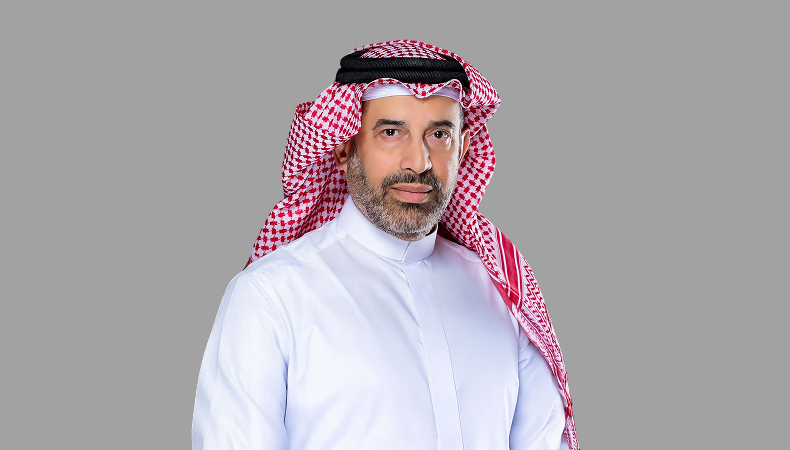
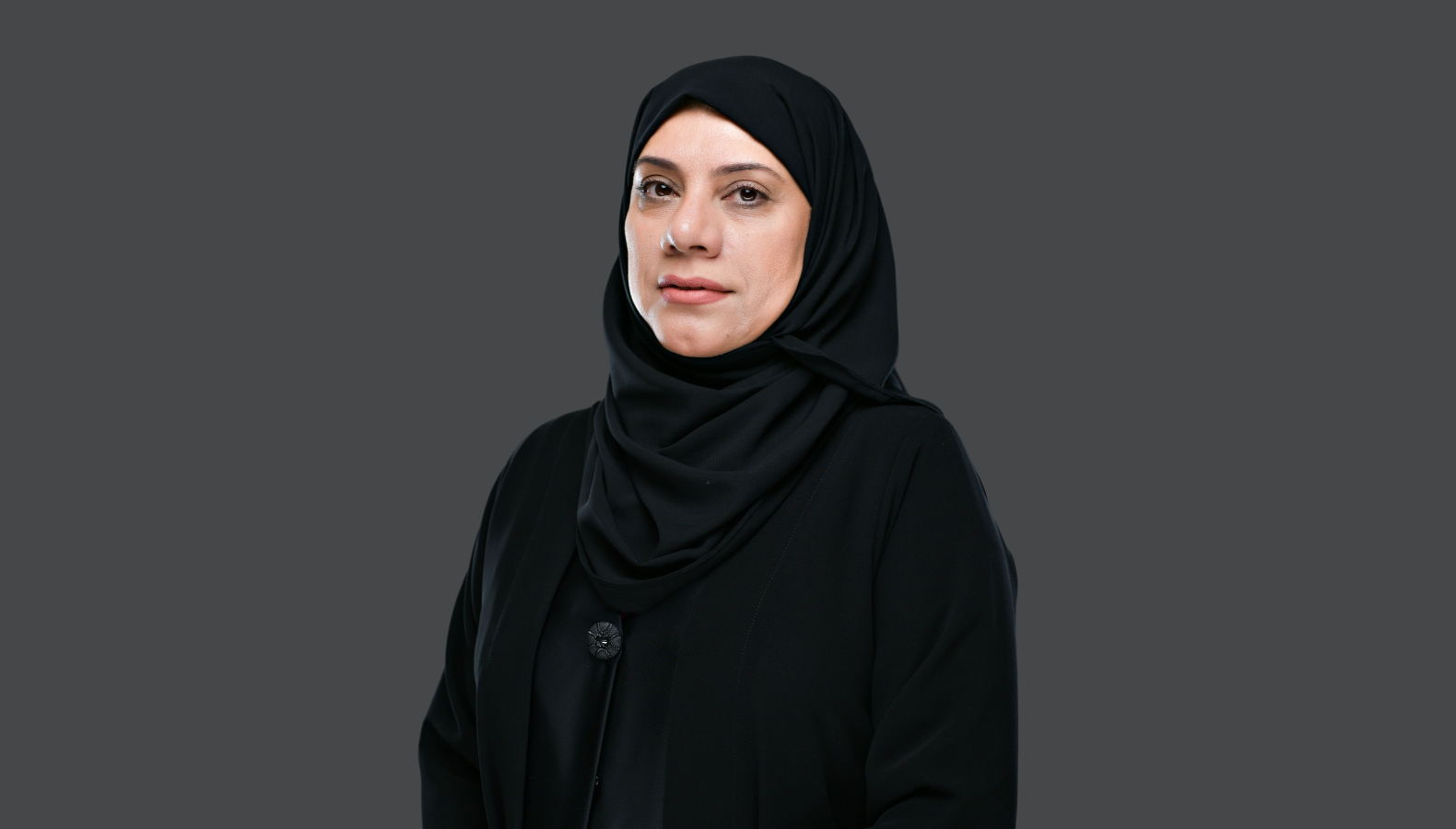
H.E. Eng. Ebrahim Hashim Al-Sada, QRCS Managing Director – Secretary-General
It is widely recognized that health systems are often the first to be disrupted and the last to recover in times of conflict and disaster. When hospitals are damaged, clinics close, health workers are displaced, and supply chains break down, the consequences are immediate and profound. Communities cannot survive, adapt, or rebuild their lives with dignity without reliable access to essential health services. Health is not a separate track from humanitarian action; it is one of its defining pillars.
At Qatar Red Crescent Society (QRCS), our almost-half-a-century humanitarian experience has shaped a firm conviction: health is not a secondary consideration; it is at the heart of any meaningful response. In the midst of armed conflict, sudden natural disasters, or protracted crises, health interventions form the backbone of community resilience. Emergency medical care, disease prevention, maternal and child health, and mental health support are not optional additions; they are core components of any effective humanitarian effort.
Our work around the world has shown us that the needs are wide-ranging and constant. In some settings, our teams provide emergency surgical care for those wounded by violence or deploy field hospitals and mobile clinics where health facilities have been destroyed or rendered inaccessible. In other cases, we focus on primary health care, vaccination campaigns, and reproductive health services to ensure that routine but life-saving care does not stop when crises begin. We support chronic disease management, so that conditions such as diabetes and hypertension do not become silent emergencies when medications run out. We invest in mental health and psychosocial support services for those who have experienced loss, displacement, and trauma, realizing that invisible wounds can be as devastating as physical ones.
This work is not confined to a specific region or time of day. QRCS operates across multiple countries, in conflict zones, fragile settings, and disaster-affected communities, often in the most challenging environments. Our health interventions run around the clock, from emergency departments treating mass casualty incidents to outreach teams travelling long distances to reach remote villages with vaccinations, maternal health care, and health education. We support health workers with training, supplies, and technical guidance so that health care continues even long after the cameras have left. This continuity is vital. Health relief is not only about the first 72 hours, but it is also about sustaining services that uphold life and dignity for months and years.
Today’s crises are increasingly complex and interconnected. Conflicts intersect with forced displacement, weak or overstretched health systems, emerging and re-emerging disease outbreaks, and the growing impact of climate-related disasters. In such a landscape, short-term, fragmented responses are no longer enough. Humanitarian health interventions must be designed to strengthen resilience, maintain service continuity, and build the capacity of local systems, even amid instability. This means supporting local health institutions, training national staff, ensuring supply chains can withstand shocks, and integrating emergency programs with longer-term health strategies.
To achieve this, strategic and integrative partnerships are essential. No single organization, however experienced, can address the full spectrum of needs on its own. Responding to global health challenges in humanitarian contexts requires coordinated efforts that bring together frontline responders, policymakers, innovators, researchers, and platforms that translate evidence into practice. We need spaces where those working in the field can share their realities, and where those shaping policy can listen, respond, and design solutions that are both ambitious and grounded.
In this regard, the partnership between QRCS and the World Innovation Summit for Health (WISH) is an impressive and inspiring homegrown model. WISH plays a central role in shaping global health discourse, generating and disseminating evidence-based policy recommendations, and convening diverse stakeholders to address the most pressing health challenges of our time. Through our collaboration, we work to ensure that the realities of health in conflicts and disasters are not treated as a marginal topic but are firmly embedded in high-level global dialogue.
This partnership allows us to bridge the gap between what is happening in the field and exchanges at the conference rooms. It brings the voices of vulnerable and affected communities, as well as frontline health workers, into strategic discussions that often take place far from the sites of crisis. Their experiences are shared not as abstract data points, but as lived realities that must inform global priorities. At the same time, insights and innovations emerging from the global health community can be adapted and applied in humanitarian settings, helping us to improve the quality, efficiency, and equity of our health responses.
Working together, QRCS and WISH can highlight the importance of humane, context-sensitive, and inclusive innovation. Whether it is the use of digital tools to support remote health services, new models of community-based care, or approaches that integrate mental health into emergency response, our joint efforts seek to ensure that innovation serves those most at risk, rather than widening the existing gaps. This requires humility, collaboration, and willingness to learn from both success and failure.
In conclusion, strong health responses in fragile and crisis-affected contexts are not only a humanitarian imperative but also a cornerstone of global health security. Disease outbreaks weakened health systems, and unmet health needs in one part of the world can have far-reaching consequences. The future of humanitarian action, therefore, demands a more holistic approach, one that connects rapid emergency response with longer-term health outcomes and that places emphasis on innovation, sustainability, and local leadership.
Integrative partnerships, such as the QRCS–WISH model, are central to this transformation. By aligning humanitarian practice with cutting-edge knowledge, by elevating the perspectives of those on the front line, and by committing to shared responsibility, we can build responses that are more compassionate, more effective, and more resilient. At QRCS, we remain committed to this path, working every day and every night, in crises across the globe, to ensure that health remains at the heart of humanitarian action and that those most affected by conflicts and disasters are not left behind.